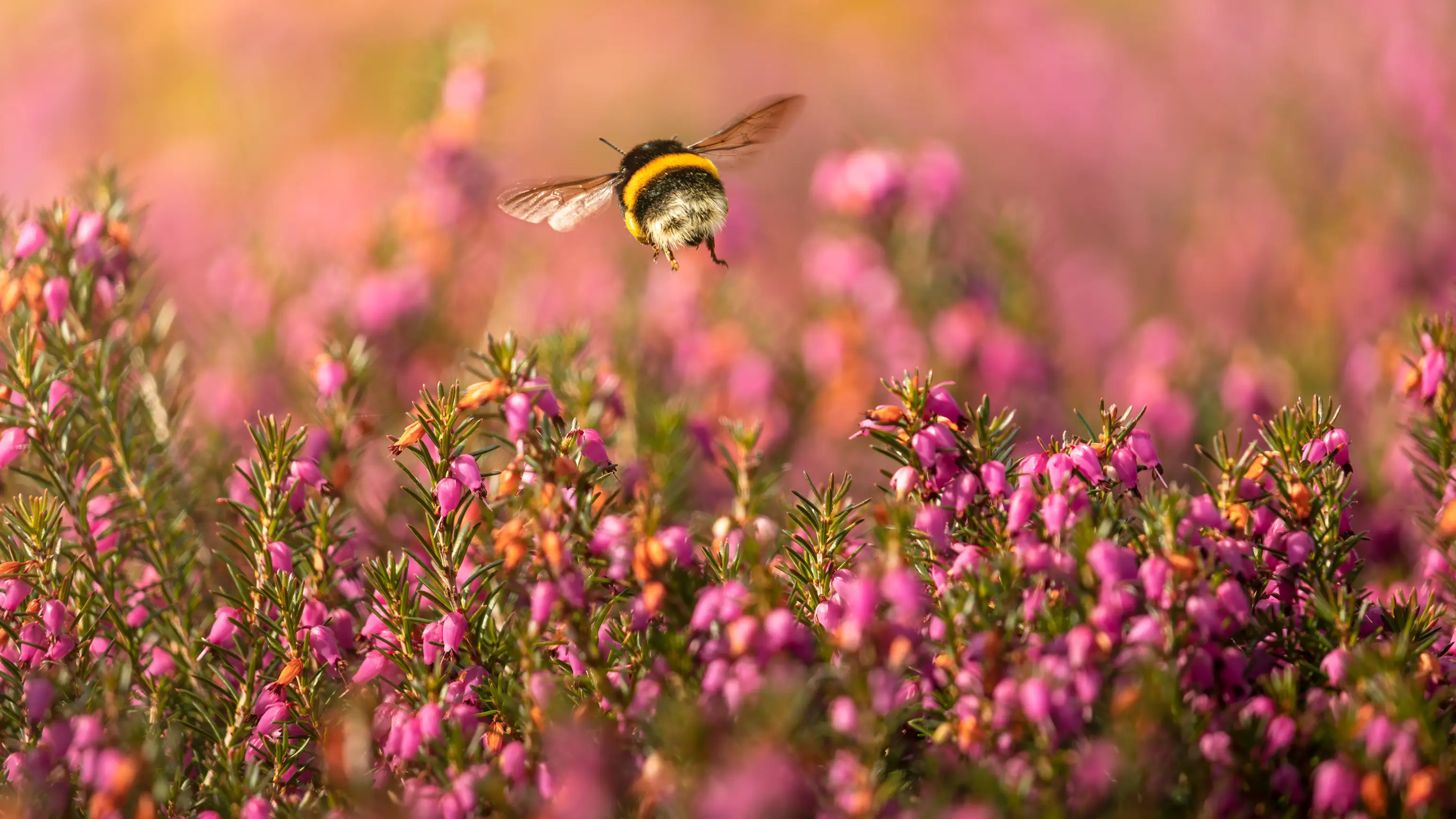
More climate resilience and biodiversity for the Ringstrasse housing estate
The Raunheim Ringstrasse estate is home to more than 4,500 people. The neighborhood, which dates back to the 1960s, is characterized by its old trees and spacious green areas. However, climate change is increasingly affecting the green areas. The local soil quality and the drought of recent years have led to the death of trees in many places, and the changed climatic conditions are also causing problems for other plants.
Pioneer in greening the future
With an extensive greening concept, GWH will therefore make the Ringstrasse housing estate more modern and sustainable and pioneer a new type of neighborhood development - with contemporary outdoor spaces that increase biodiversity and improve the quality of life for people and animals alike. Over the course of three years, a robust, diverse and climate-adapted green space will be created that will not only make the neighborhood more beautiful, but also more sustainable. Nature will thank us for it.
What is it about?
Together with the environmental start-up Immerbunt 2025, GWH is launching a model project in the neighborhood to upgrade the existing outdoor areas ecologically and make them more resilient to the consequences of climate change. Flourishing ecosystems and diverse green spaces should benefit people and animals alike. Systematic recording helps us to standardize successful approaches and develop sustainable maintenance of open spaces. The aim is to use this "blueprint" to set ecological standards and transfer the model to other GWH estates in the future.
What exactly is being done?
We use a diverse catalog of measures to achieve our goals.

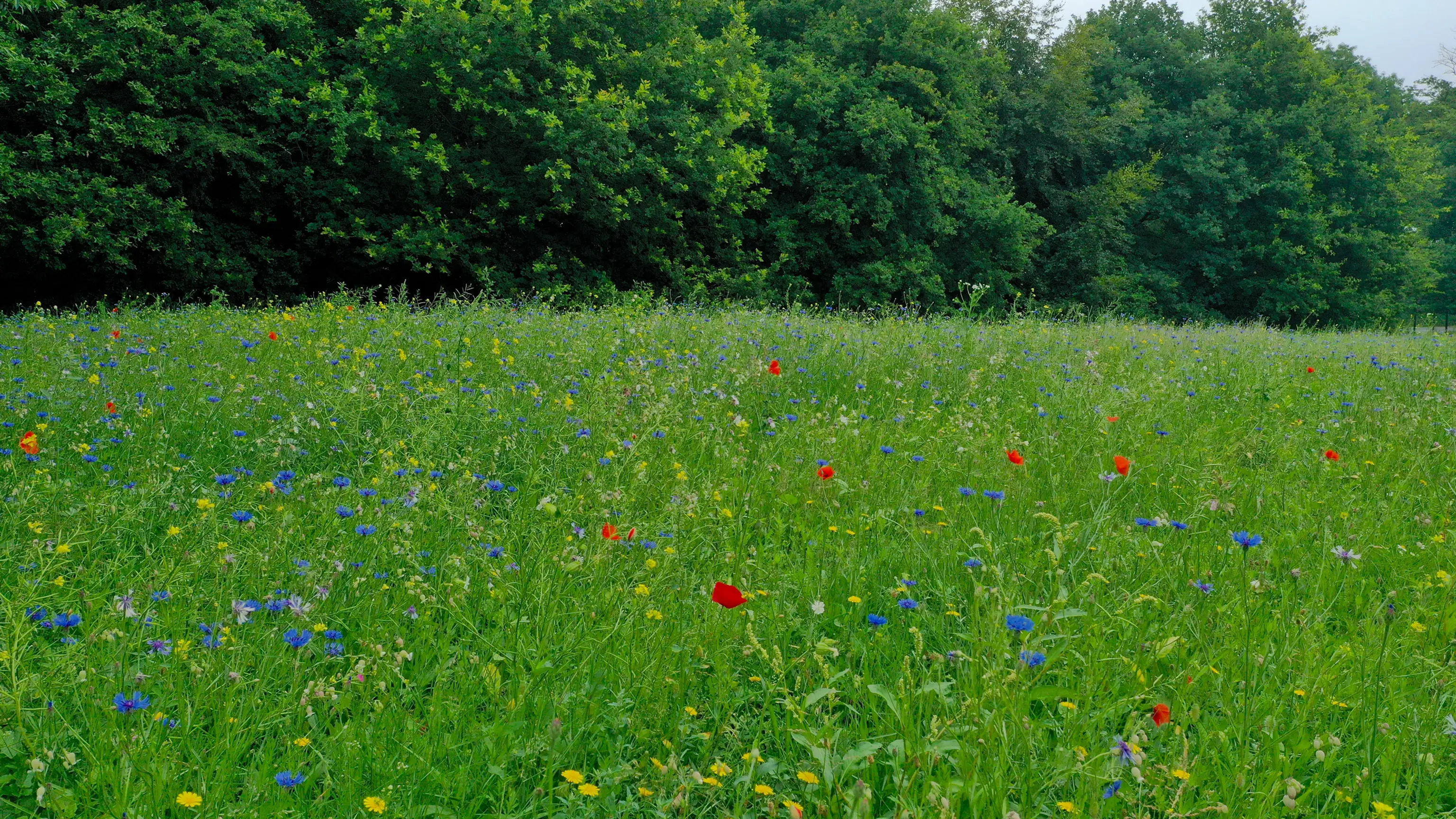
Flowering areas
We create perennial, species-rich, living flowering areas with regionally certified seeds to promote endangered insect species and create valuable food sources for pollinating insects.

Wooded islands
We are structuring the previously open lawn areas with new wooded islands of native wild shrubs to provide shelter, food and breeding sites for birds and small mammals, while at the same time regulating the microclimate by casting shade, cooling the environment and binding particulate matter.
Benjes hedges
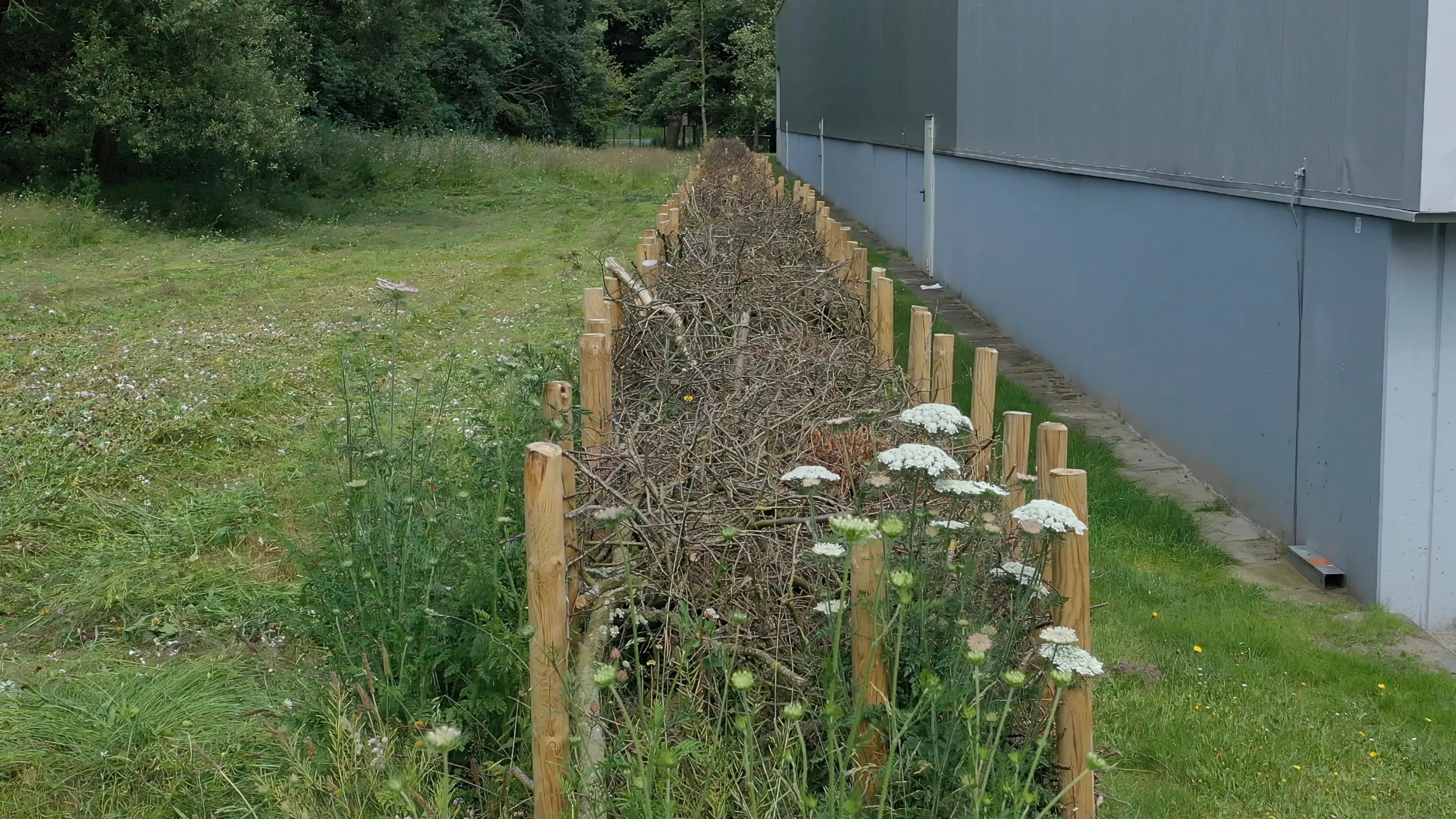
Benjes hedges made of deadwood not only serve as a natural privacy screen, but also provide a habitat for insects, hedgehogs, amphibians and many small animals.
Sandy areas
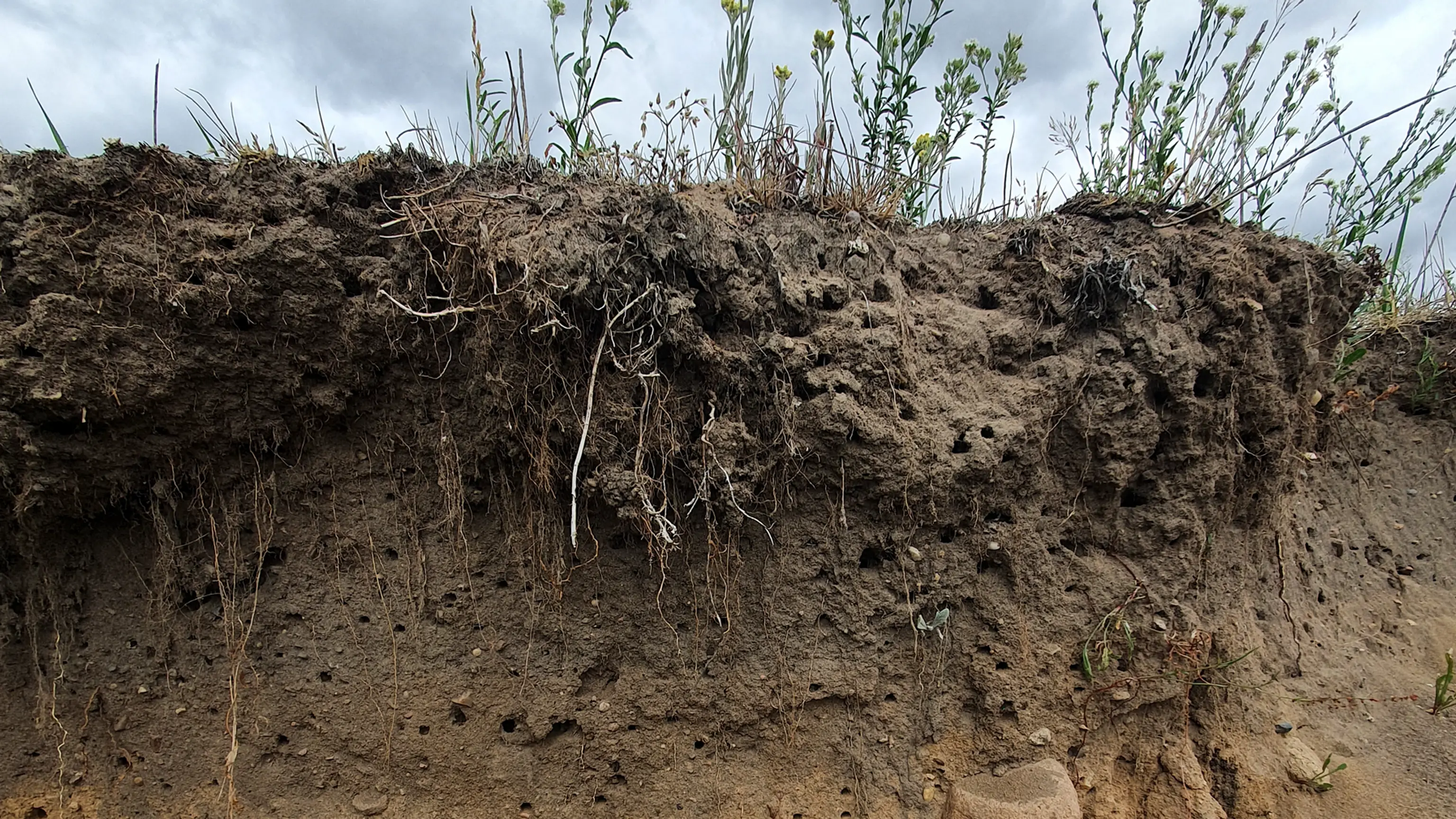
Open sandy areas with dry stone wall elements or natural stone structures become microhabitats for ground-nesting insects.
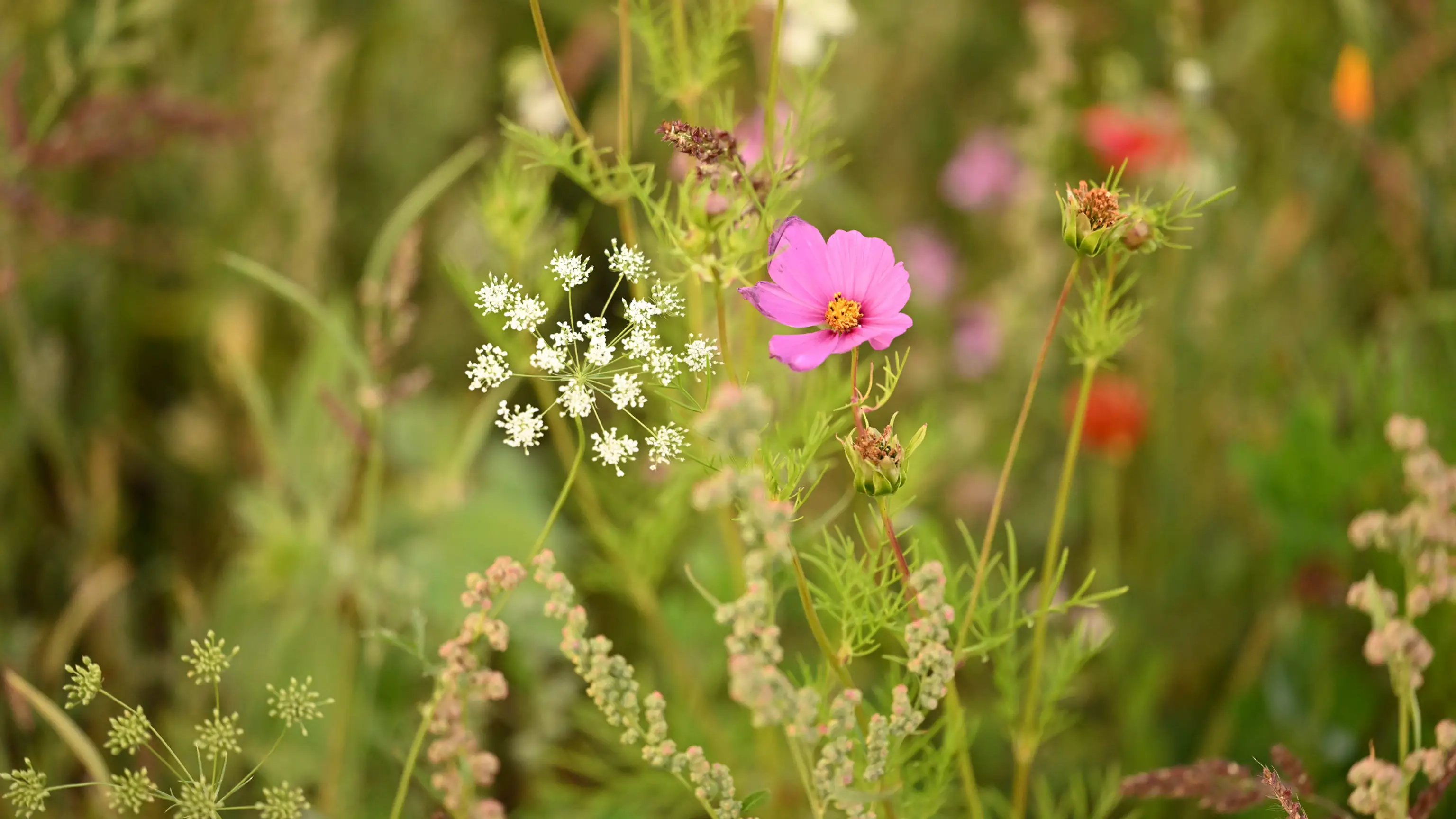
Conversion of lawns
Converting lawns into unfertilized, unmown meadows improves soil quality and water retention capacity. At the same time, a near-natural habitat is created for grasses, wild herbs and numerous animal species.

Replanting of tree species
Targeted replanting of climate-resilient tree species provides shade, noticeably improves the microclimate and binds CO2 in the long term.

Retreat areas
In sunny spots, loose stone and sand areas with structurally rich vegetation create retreat areas for the protected sand lizards.

Sustainable green maintenance
Avoiding interventions such as mowing or removing leaves improves the vitality of the trees and creates a forest-like microclimate that benefits insects and birds.
Green hands-on campaign on Halloween
During the hands-on campaign on site, a Benjes hedge made of dead wood was filled in along the railroad embankment, which will provide shelter for insects, birds and small animals in the future. Fruit trees were also planted, which will not only benefit nature, but also the residents in the future.
As the campaign took place on Halloween, pumpkins were carved and warm pumpkin soup was served to everyone afterwards.
Our partner Immerbunt GmbH provided us with active support for this project.
How long does the project take?
We plan to implement the project in the main stages between 2025 and 2027. This will allow us to make optimum use of different planting periods, spread the planning and maintenance work over a wide area and create space for participation and communication with local residents.

2025
After extensive analyses (including soil samples, mapping of existing areas and shading), the team collects a so-called zero sample as a basis for comparison after the project is completed. Suitable measures are defined and planned for each area. The first implementation phase is planned for the fall.
2026
In a second implementation phase, new trees and shrubs will be planted, paths added and flowering areas and infiltration elements expanded. Parallel monitoring will record the development status of the measures to date and enable a flexible response to any necessary adjustments.
2027
Outstanding measures are implemented and fine adjustments are made where necessary. Further monitoring documents the development and evaluation to date in a final report. This results in development maintenance for long-term ecological development.
Biodiversity and ecology - why all this?
Urban green spaces are under pressure: climate change, species extinction and land sealing mean that their ecological function and resilience are increasingly reaching their limits. At the same time, they contribute immensely to our quality of life and are a habitat for flora and fauna. There are still many unsealed areas in the Ringstrasse housing estate - great potential that we want to use to create species-rich habitats and establish new climatic buffers in the middle of the residential environment. The project thus contributes to meeting EU requirements and makes biodiversity in urban areas measurable.
Pictures: © ImmerBunt GmbH 2025