

Quality of Life and Neighborhood Development
Through GWH’s neighborhood development initiatives and its social engagement, the company actively fosters social cohesion in large residential areas and neighborhoods. The goal is to create living spaces that promote social participation and are tailored to the diverse needs of residents.
GWH: Rethinking Neighborhood Development
At GWH, neighborhood development is a key strategic tool for creating livable residential areas and vibrant communities. In addition to social considerations, environmental and infrastructure issues are increasingly coming into focus—particularly with regard to climate protection, land use, and the design of residential environments.
In November 2025, GWH Neighborhood Development underwent an organizational restructuring to manage the development of its approximately 20 large-scale neighborhoods in a more comprehensive and strategic manner. This allows for better planning and coordination of initiatives, which are now aligned with clear criteria.
A key advantage of the new structure lies in the development of transferable concepts that can be applied across multiple neighborhoods. At the same time, centralized management enables more efficient allocation of resources and a stronger focus on initiatives that deliver significant value to tenants.
In 2025, approximately 3.3 million euros were allocated for capital projects related to neighborhood development.

Making progress visible

Vibrant Neighborhoods Through Targeted Development
GWH takes a holistic approach to the development of its neighborhoods, with the aim of equally enhancing quality of life, environmental considerations, and social structures. Particular emphasis is placed on the design of the living environment, the further development of social infrastructure, and the promotion of biodiversity and climate-resilient structures.
Landscaping measures enhance the quality of life in the area, while lighting and pathway designs help improve safety and wayfinding. In addition, GWH offers advisory and participatory programs to actively involve tenants in neighborhood development. Innovative approaches such as urban gardening are being specifically developed and rolled out to other neighborhoods.

Projects to Improve Quality of Life
In 2025, numerous initiatives were launched or expanded. These included the redesign of playgrounds and open spaces, projects to promote biodiversity, and new lighting concepts aimed at reducing areas where people feel unsafe.
One example is an urban gardening project in the “Römerquelle” neighborhood in Mainz-Finthen. In collaboration with the partner organization “Ackerpause,” usable green spaces featuring raised beds, open fields, and recreational areas were created there. Workshops and participatory initiatives encourage active involvement among residents and strengthen community engagement in the neighborhood.


Biodiversity Plan for Raunheim
GWH is systematically developing the Ringstrasse housing development in Raunheim as part of a multi-year biodiversity plan. The goal is to ecologically enhance the existing green spaces and better adapt them to the effects of climate change.
Based on comprehensive analyses, measures such as climate-adapted tree planting, flowering areas, green facades, and community gardens have been implemented. This creates additional habitats for plants and animals and improves the quality of life for the approximately 4,500 residents.
A key component is the active involvement of the residents. Through workshops and hands-on activities, residents can contribute ideas and help shape the neighborhood together. Initial initiatives, such as creating a Benjes hedge and planting fruit trees, have already been carried out collaboratively.
New community spaces in the neighborhood
With the redesign of the neighborhood entrance on Ben-Gurion-Ring in Frankfurt, GWH 2025 has provided another significant boost to the neighborhood’s development. A green, accessible open space offering a variety of recreational and recreational opportunities has been created on a site that was previously heavily paved.
In addition to seating areas and spaces for play and physical activity, specific eco-friendly features have been incorporated. At the same time, a mobility hub offering bicycle parking, repair services, car-sharing spaces, and a package pickup station promotes lower-emission mobility in the neighborhood.
The planning was carried out in close consultation with the City of Frankfurt am Main and with the active participation of the tenants, whose suggestions were incorporated into the design.

Promoting social interaction
Social participation is a key component of neighborhood development. GWH therefore initiates and supports specific programs that facilitate interaction and promote community cohesion.
One example is a group outing for residents of a senior living community in Wiesbaden’s Schelmengraben neighborhood. About 50 seniors took part in a city tour that provided an opportunity for socializing and shared experiences.

Strengthening Community Engagement
Social engagement is an integral part of GWH’s identity. Beyond its core business, the company is actively committed to social inclusion and improving living conditions—both in Germany and internationally.
Housing! for the Future
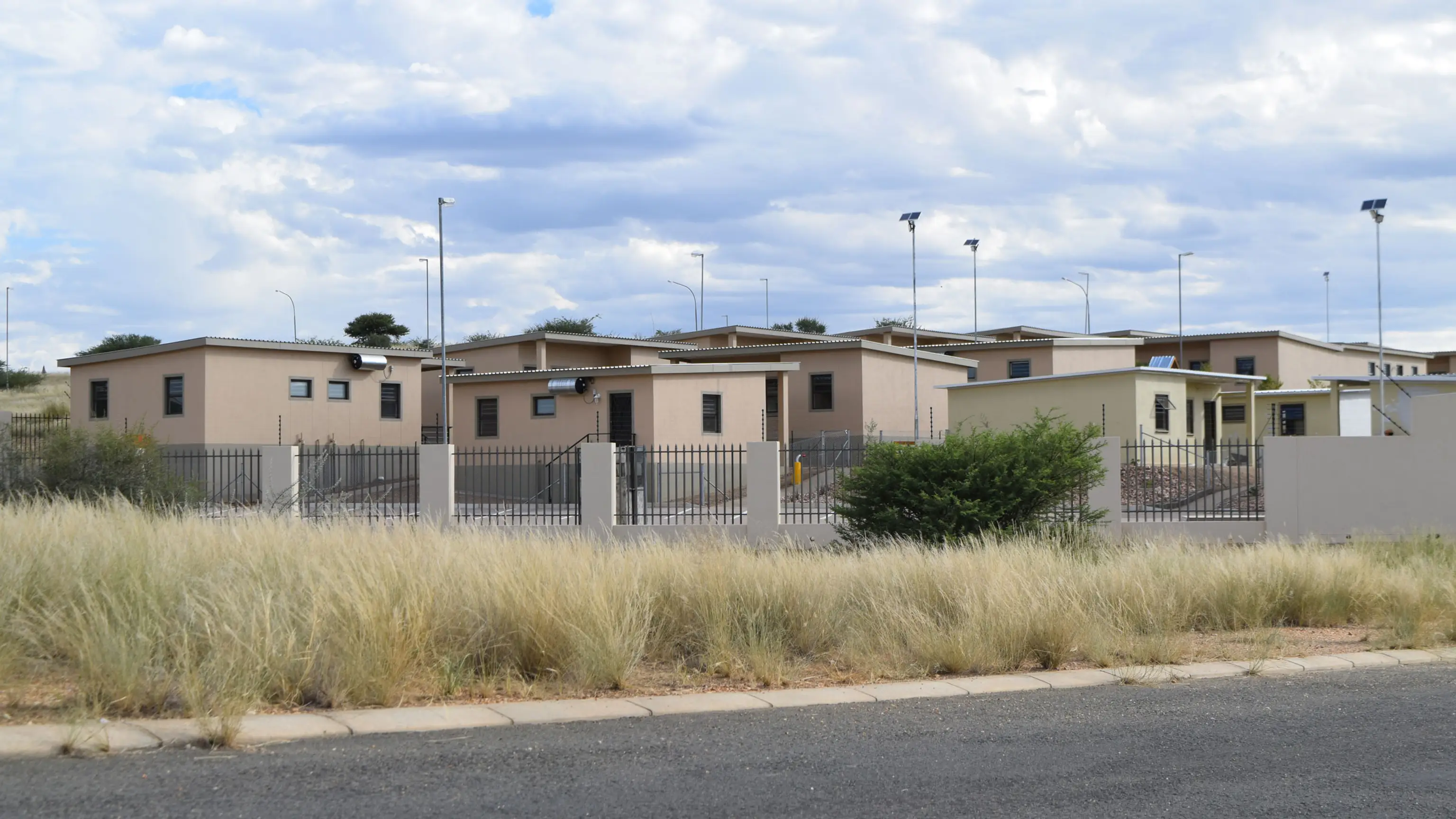
Through its “Housing! for Future” initiative, GWH has been working in Namibia since 2019 to create affordable housing and long-term prospects for the future. In addition to building homes, the project also focuses on promoting employment, providing training, and establishing local housing sector structures.
So far, 25 houses have been completed, and up to 100 are planned in the long term.
Housing First
Through its “Housing First” project, GWH has been supporting homeless people in Germany since 2021. The approach places housing at the forefront of the integration process and combines it with social support.
In 2025, the 50th apartment was handed over—an important milestone for the project, which has already opened up new opportunities for many people.
A boost for the industry
Through its commitment, GWH also actively contributes to the professional discourse. At the New Bauhaus Visionale in Weimar, key questions about the future of housing were discussed, and practical experiences were shared. The event serves as a platform for exchange, new perspectives, and collaboration.
